Nomadic Real Estate and Eco-Friendly Living
There was a time when a permanent address, a home loan, and a home filled with possessions were treated as the all-natural endpoint of grown-up life. That story is loosening its grip. An expanding number of people are picking homes that relocate with them, shrink their impact, and lean on renewable energies rather than sprawling framework. This shift, frequently called nomadic real estate, is not simply a lifestyle fad. It is silently becoming one of the extra functional solution to the twin stress of real estate affordability and ecological stress.
What Nomadic Real Estate In Fact Appears Like
Nomadic real estate covers a variety of structures: transformed vans and buses, small homes on wheels, yurts, modular sheathings, and even watercrafts. What unifies them is movement and a purposely little impact. Rather than a fixed story of land and a house constructed to last fifty years, nomadic dwellers buy something that can be relocated, dismantled, or repurposed as situations transform. For some, this is a reaction to climbing leas and stationary salaries. For others, it is an aware being rejected of customer accumulation for experiences and freedom of motion.
The appeal is not simply thoughtful. A tiny home on wheels can set you back a fraction of a traditional residence, and living in a smaller room naturally visuals the impulse to fill it with things. Much less space means much less to warm, less to clean, and much less to acquire.
Why This Motion Overlaps With Sustainability
Nomadic housing and environmentally friendly living tend to take a trip with each other, and the connection is not a coincidence. Small residences need less material to build and much less power to preserve. A 200-square-foot home simply does not require the exact same heating or cooling load as a 2,000-square-foot one. Many nomadic building contractors likewise choose redeemed wood, recycled metal, and used fixtures, both to save money and to lower the demand for newly produced products.
Off-grid capacity is another natural fit. Due to the fact that nomadic homes are not connected to municipal power grids, their owners commonly turn to photovoltaic panels, composting toilets, and rainwater collection systems out of requirement as high as ideology. What starts as a functional remedy to living without connections ends up functioning as a really lower-impact way of living.
The Environmental Case, Examined Honestly
It would be simple to glamorize this way of living as an automatic environmental win, but the picture is a lot more nuanced. Constant traveling, specifically by fuel-powered vehicles, brings its very own carbon price, and building a well-insulated tiny home still requires energy and products. The ecological advantage of nomadic housing comes less from the act of moving and a lot more from the underlying behaviors it urges: smaller home, mindful resource usage, and a hesitation to collect non reusable goods.
In that sense, a household living full time in a moderate, solar-powered small home that seldom moves might have a lighter impact than a person who relocates frequently in a huge diesel motorhome. The wheelchair is a feature of the way of living, not the source of its sustainability.
Practical Challenges Well Worth Knowing About
Any person attracted to this way of living should go in with open eyes. Zoning legislations in numerous locations were not composed with mobile or small houses in mind, and auto parking or land access can be a persistent headache. Financing is another obstacle, considering that lots of loan providers do not treat a home on wheels the same way they treat a conventional mortgage. Water, waste, and power management likewise demand much more hands-on attention than simply paying a month-to-month energy expense. None of these obstacles are insurmountable, yet they call for study and, commonly, a neighborhood of seasoned wanderers going to share what they have actually discovered.
A Growing Community and Infrastructure
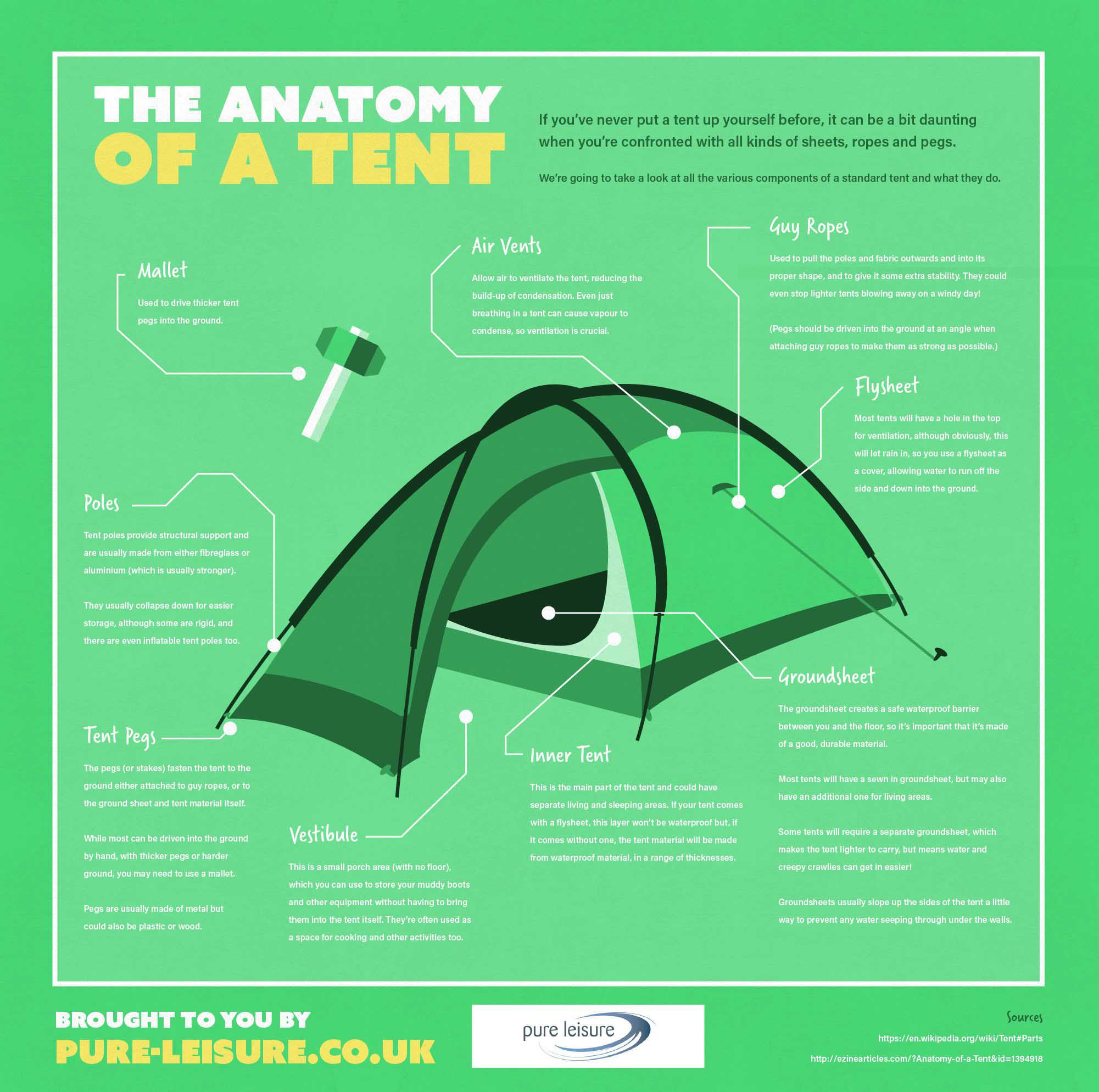
As even more camping tents for individuals adopt this way of living, the support group around it are catching up. On-line areas trade recommendations on whatever from composting toilet maintenance to finding lawful overnight car parking. Some municipalities are starting to upgrade codes to accommodate small homes and van living. Off-grid solar kits, portable water filtration systems, and small devices have become extra economical and more effective, making the useful side of nomadic living considerably less complicated than it was a years ago.
Rethinking What a Home Requirements to Be
Nomadic housing asks a simple however sharp question: how much area, and how much things, does a good life actually call for? For an expanding variety of individuals, the straightforward solution is much less than standard housing presumes. Paired with deliberate selections around energy, water, and products, this way of living offers an engaging, if incomplete, version for reducing environmental effect while gaining a type of freedom that a thirty-year home mortgage rarely supplies. It will certainly not change standard housing for many people, but as a working instance of what smaller sized, more willful living can appear like, it has actually currently verified its worth.